
-
USA - English
- Locations
- SDS Access
- CTVista®+ Login

A data center in the Southeastern United States was using a traditional nitrite- and molybdate-based corrosion control program in their heating hot water (HHW) loop.
Concerned with the potential for microbiological fouling from readily metabolized components such as nitrite and the negative environmental impact associated with molybdate discharge, the facility wanted to transition to an alternative program that would still effectively inhibit corrosion in their mild steel and copper system.
ChemTreat recommended our patent-pending FlexGuard™ technology, a non-nitrite, non-molybdate, non-phosphorus organic acid-based corrosion inhibitor, as a replacement for the facility’s treatment program. FlexGuard does not contain any components that are considered nutrients for bacteria.
FlexGuard was fed at a 1,500-ppm dosage rate as product and tracked with a PTSA dosing system and a ChemTreat CTSolutions® cooling panel. Unlike the previous treatment program, this technology incorporates fluorescent tracing, which helps maintain dosage rate to reduce the likelihood of corrosion.
In addition to alleviating fouling concerns presented by nitrite technologies, FlexGuard does not contain molybdate or other heavy metals.
Unlike nitrogen- and phosphorus-based inhibitors, FlexGuard does not readily cause microbiological blooms.
FlexGuard technology helped the facility maintain corrosion rates in its HHW loop system while meeting their environmental goals.

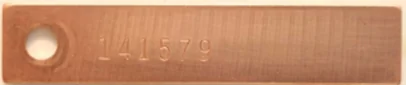
Based on the success of the program, the data center continued using FlexGuard after the end of the trial.
Download the Case StudyResults are examples only. They are not guaranteed. Actual results may vary.